
Consistency, Connection, and Care: Responsive Classroom at Browne Academy
December 10, 2025
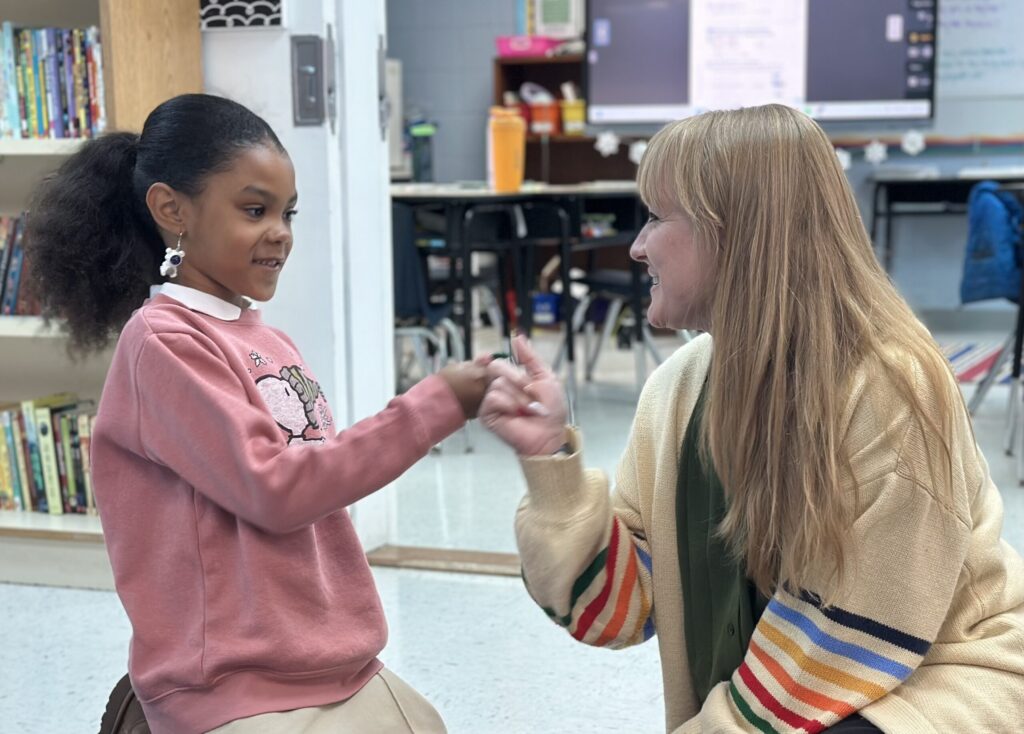
At Browne Academy, belonging isn’t something we simply hope happens—it’s something we intentionally build. The way students begin their day, move from class to class, handle emotions, and navigate peer relationships shapes how they learn. This year, our work with Responsive Classroom has helped us sharpen that intention and bring even more consistency and care to the school day.
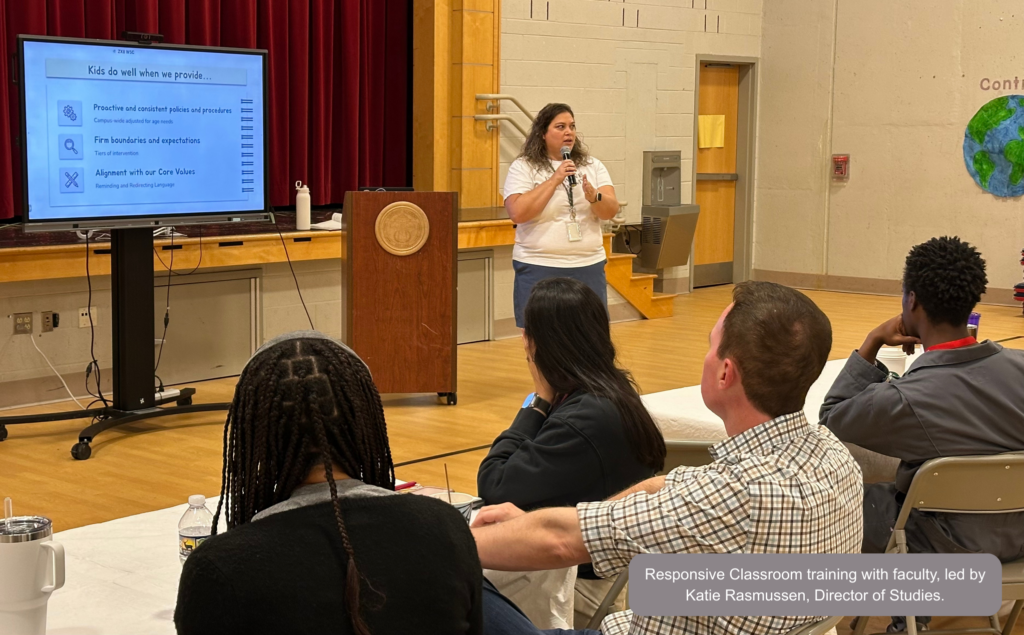
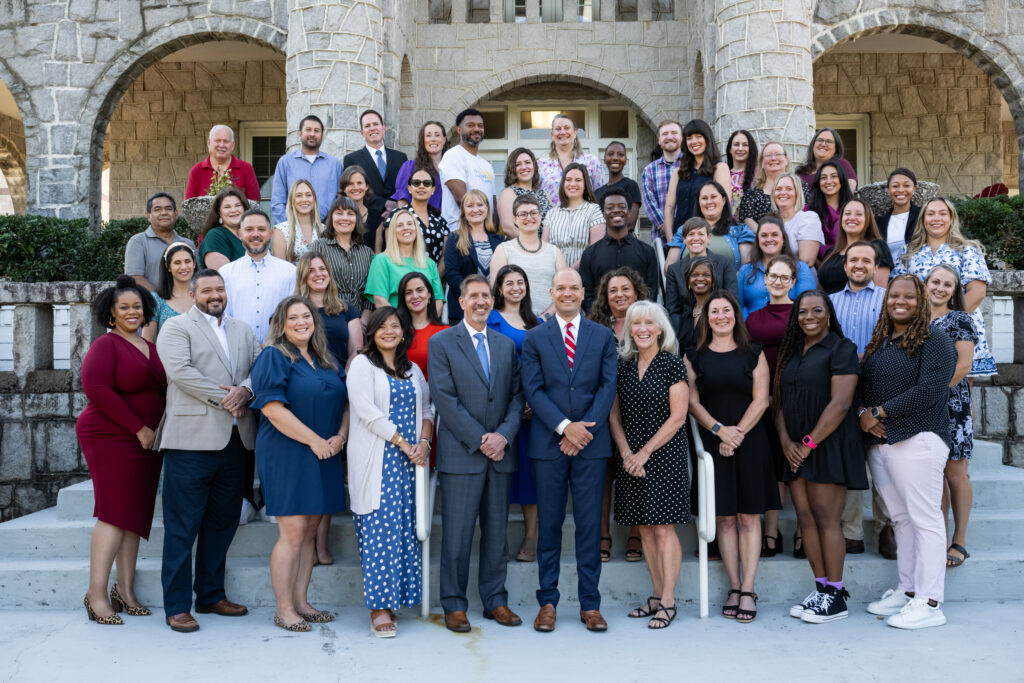
Thanks to the generosity of the Kaskela family, Browne was able to send six faculty members to a multi-day Responsive Classroom training over the summer. Those teacher leaders returned with the tools, language, and insight needed to support the rest of the school. The Kaskela’s gift became the starting point for everything that followed—shared routines, clearer expectations, and the thoughtful consistency that is beginning to take shape across classrooms and into Extended Day. Their support didn’t just fund the professional development teachers asked for; it helped lay the foundation for a more connected experience for every Browne student. The Responsive Classroom training and initiative has helped teachers consistently implement what naturally happens at Browne every day.
This work has been guided by the Director of Studies, Katie Rasmussen, whose role was introduced this year to support instructional alignment and deepen faculty growth. Her partnership with the Middle School & Lower School Team Leads has grounded the initiative and connected it across divisions. Together, they coordinated training sessions that allowed teachers to explore routines, reflect on their approaches, and think collectively about what consistency should look and feel like for Browne students.
What made the trainings meaningful was the space they created for teachers to slow down and examine the rhythm of their own classrooms. Rather than rushing through the day-to-day, faculty had the opportunity to discuss consistency across grade levels and consider how minor adjustments to routines or language can have a significant impact on students. The conversations were honest and practical, and they helped teachers think about how their individual choices connect to the larger Browne experience.
Teachers noticed that using similar language across classrooms helped students adjust more quickly. One teacher mentioned that students “aren’t spending energy trying to figure out the expectations — they already know what to expect.” Another shared that simplifying their language in moments of redirection made a clear difference: “I realized I was giving too many words when students only needed one sentence.” Across divisions, teachers echoed the idea that consistency—especially in tone—helps students feel more confident as they move through the day.
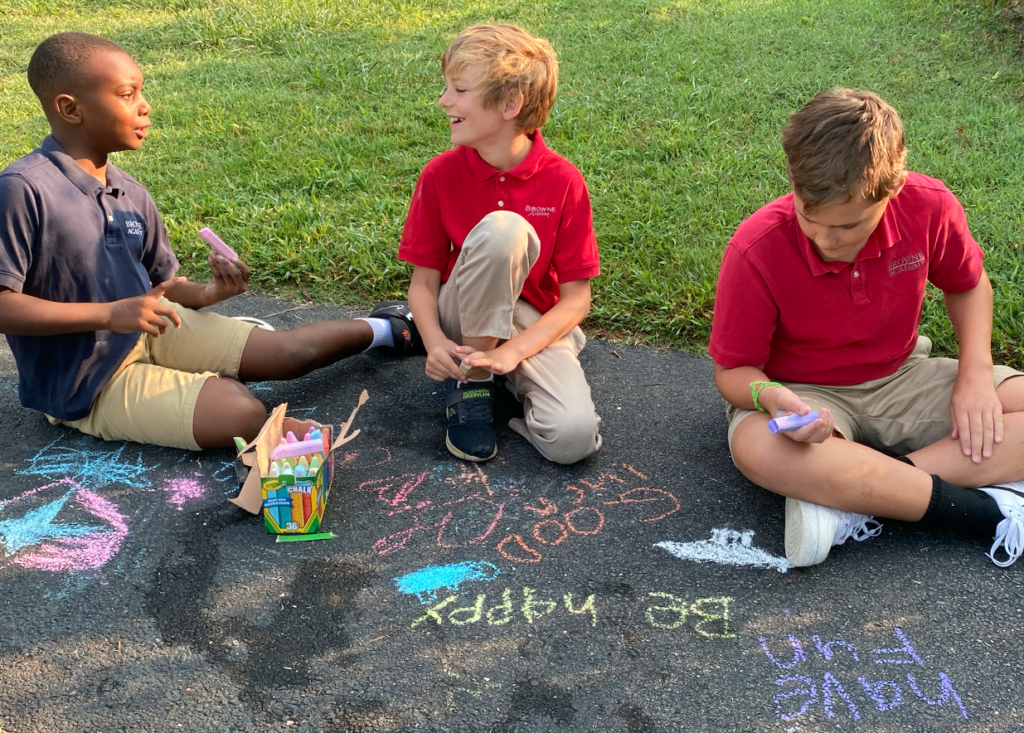
That same commitment to alignment extended into our after-school hours as well. Extended Day spent time developing its own connection to these practices, focusing on what Responsive Classroom looks like in a less structured, fast-moving environment. Their training focused on supporting students during snack, play, clubs, and homework time, using the same calm, direct language students hear throughout the day. Extended Day staff found that having a shared framework has helped them respond more intentionally and has given the afternoons conscientious consistency. Teachers appreciated it too—knowing that expectations set during the school day don’t stop at dismissal, but are reinforced in ways that feel familiar to students.
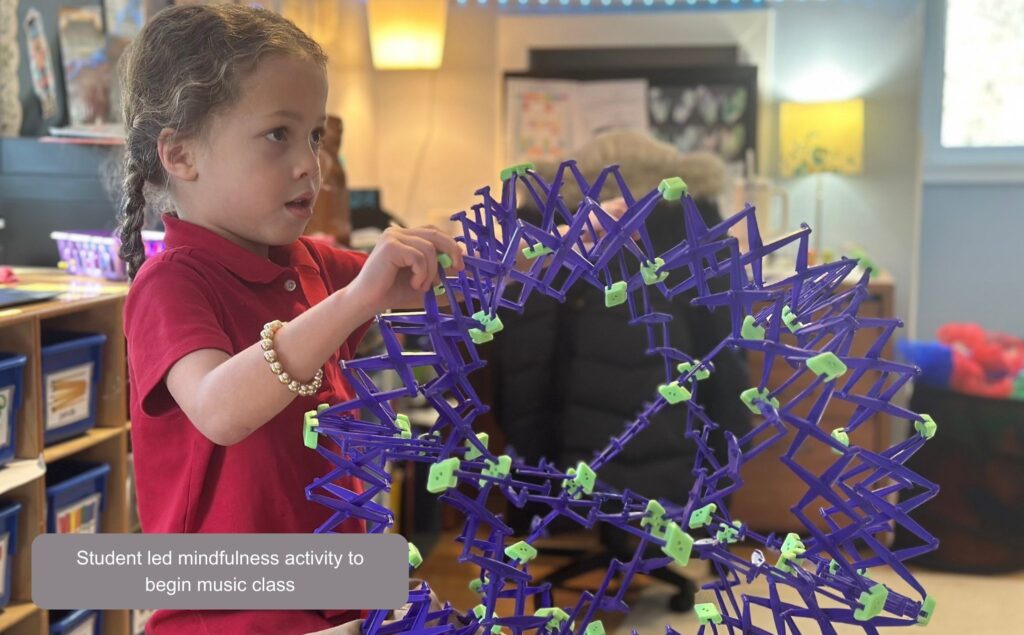
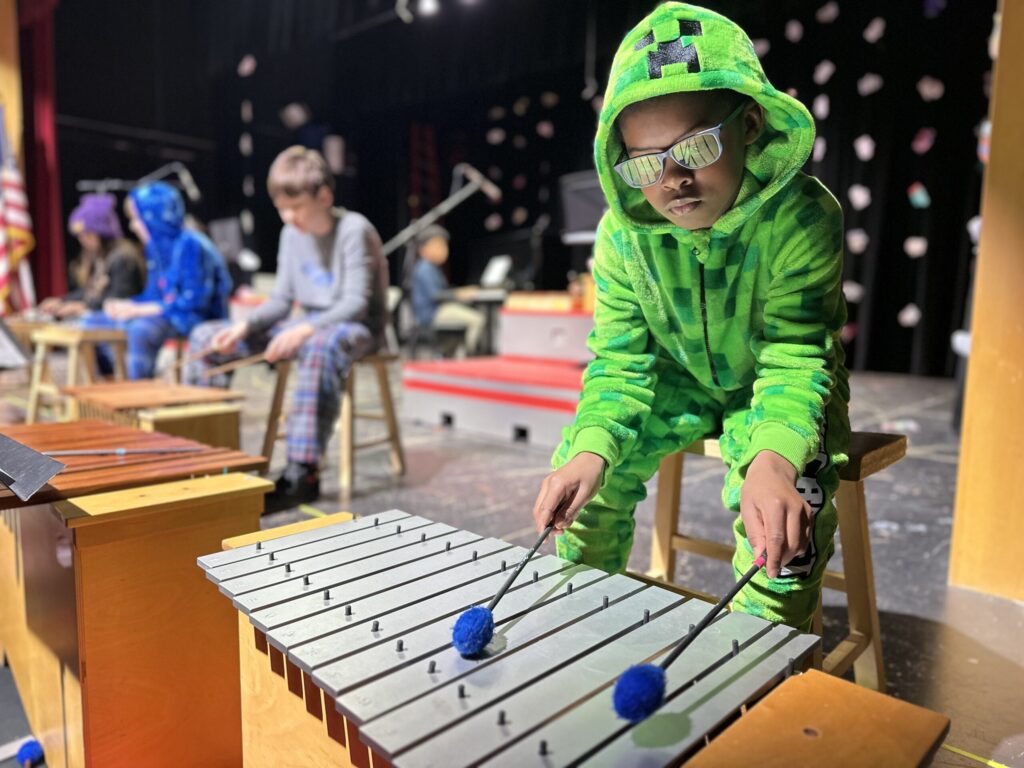
We also saw this work take shape in Specials. Art, Music, Spanish, Science, PE, Library, and Innovation teachers have been using the same shared language and expectations, which have helped students settle quickly as they rotate through different spaces. Special area teachers noted that when the cues sound familiar, students adjust more quickly and can focus on the activity rather than the transition. It has brought a steadier feel to those classes and added another layer of consistency to the day.
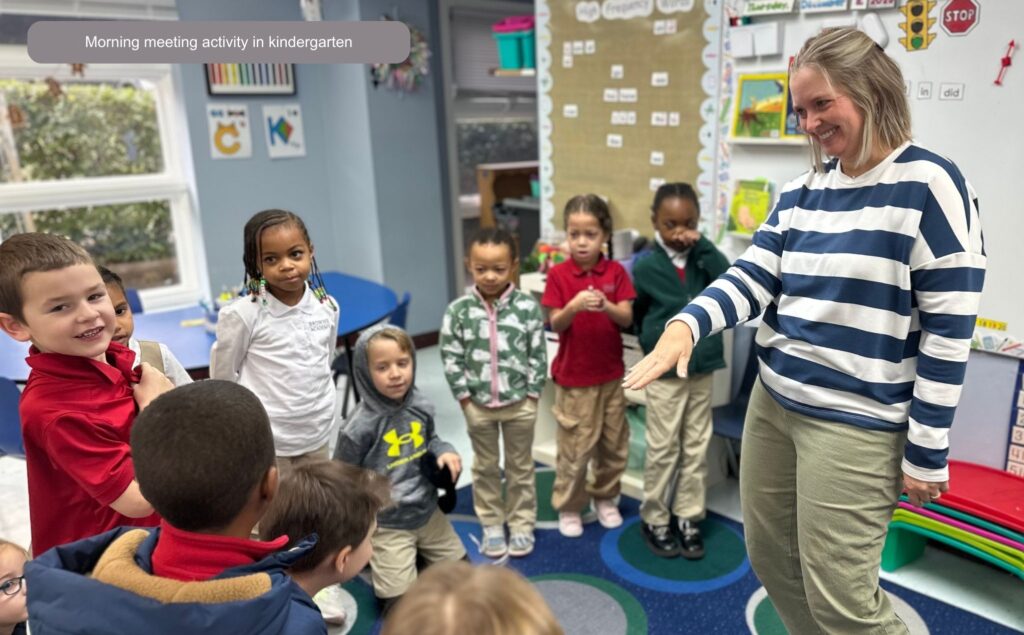
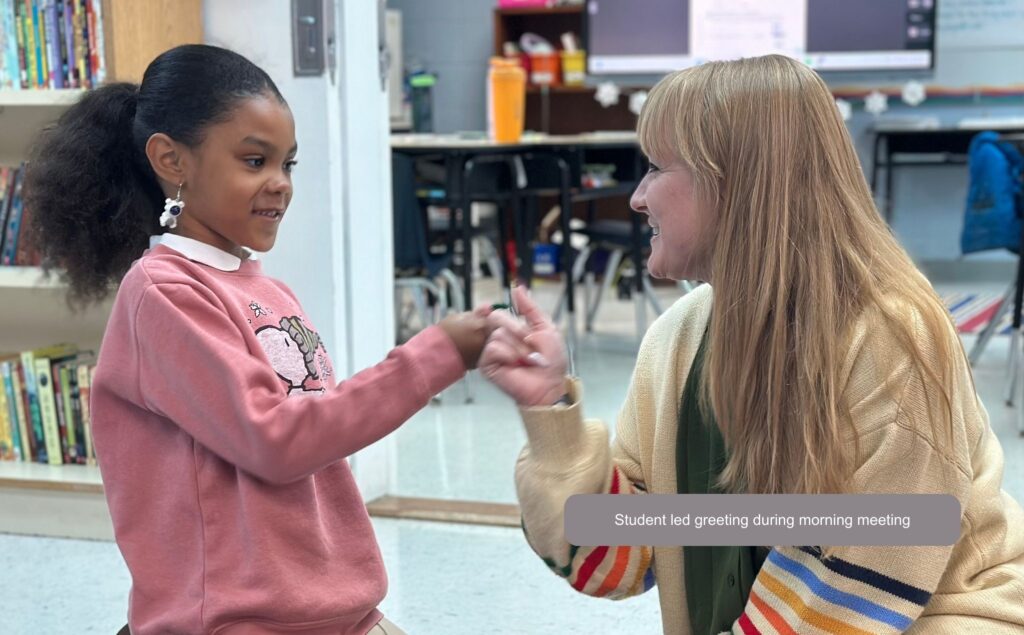
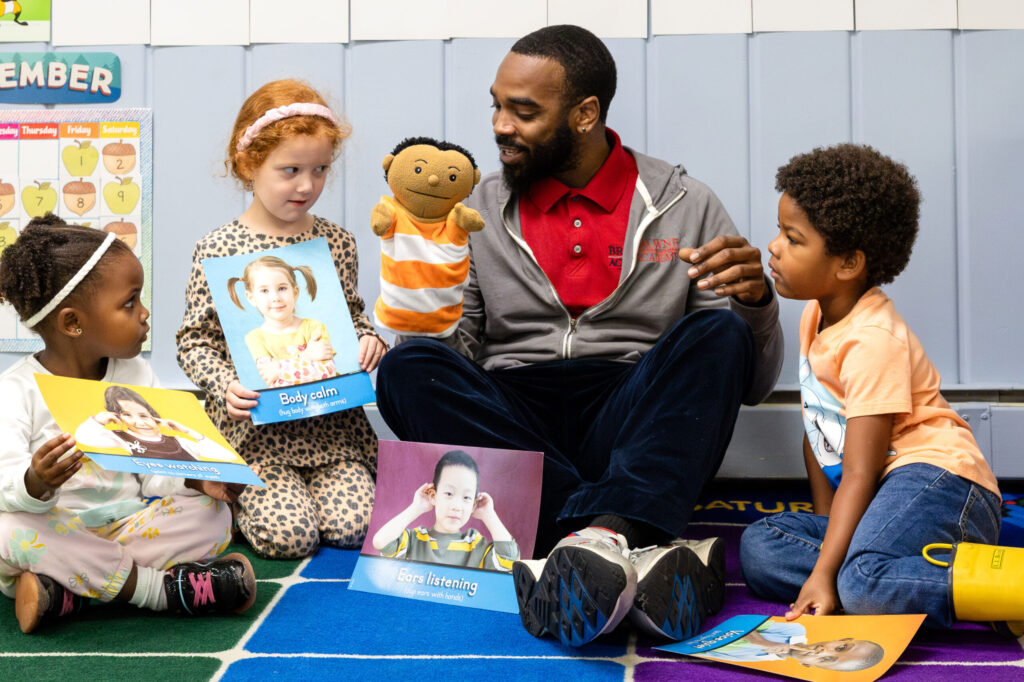
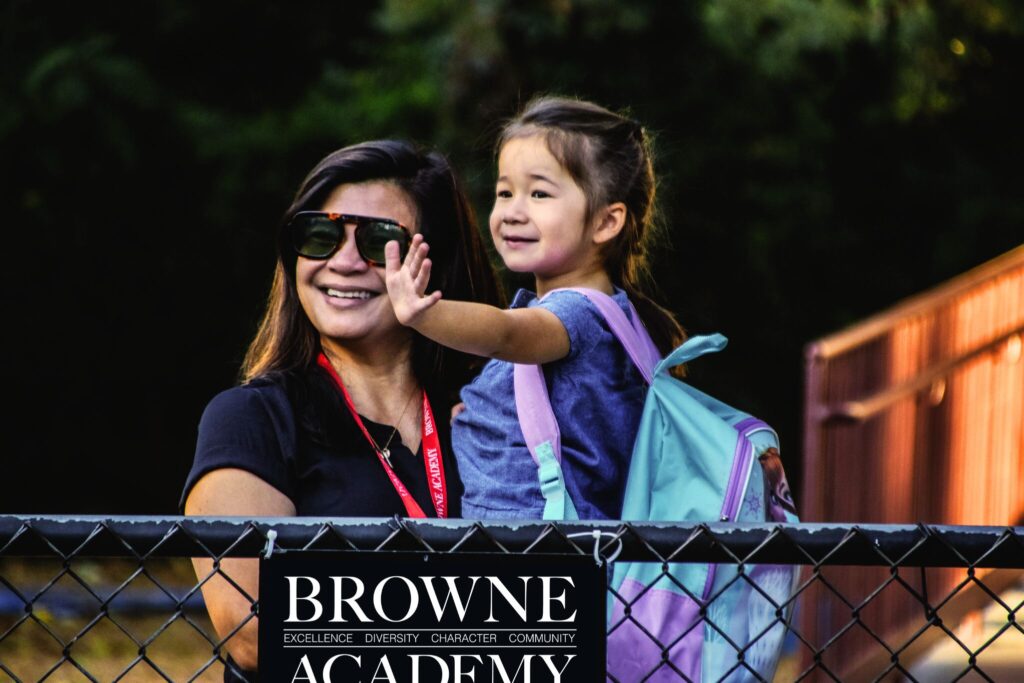
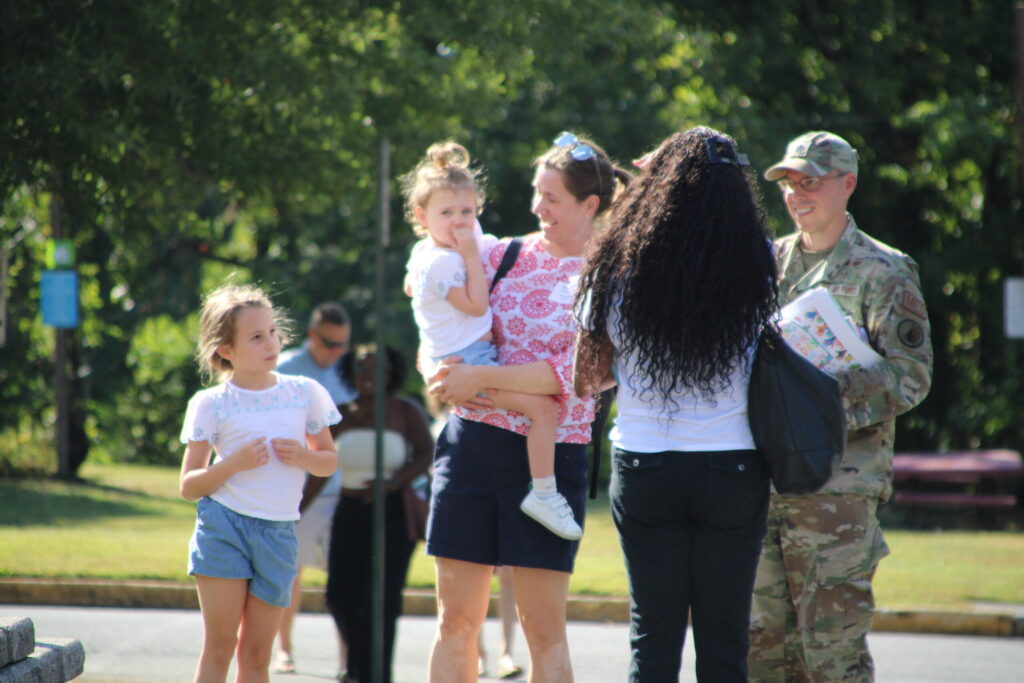
As these practices take root, they’re beginning to show up across campus in everyday ways. Morning arrivals feel more intentional. Transitions throughout the day have a smoother rhythm. Students move with more certainty because they know what to expect—and that the adults around them are aligned. Whether in a Middle School Advisory or a Kindergarten classroom, conversations between students and adults include the explicit language of Responsive Classroom, routines are modeled until they become second nature, and there is a conscious integration of student choice and student reflection. These small shifts add up and influence the overall atmosphere.
This work is just beginning. Responsive Classroom is part of Browne’s long-term commitment to strengthening teaching practices and building shared language that supports students as they grow. Katie’s role has created the space for this kind of intentional professional learning, and with a commitment across the whole school, the alignment across divisions continues to strengthen. Adoption of a program like Responsive Classroom is a long-term commitment. Regular feedback sessions and training will help ensure teachers and students continue to see the benefits of this initiative for years to come.
Responsive Classroom is helping us remain thoughtful about how we teach, communicate, and care for students. It reinforces what we already know: when children feel secure, understood, and supported, they show up as their best selves. As these intentional practices continue to grow across campus, they are deepening the sense of community that makes Browne, Browne.