




Connecting Science Classes to Our Local Watershed
January 3, 2026
Experiential learning is a cornerstone of science education at Browne Academy, fostering curiosity and hands-on discovery throughout the curriculum.
This summer, 5th and 6th-grade science teacher Ms. Quezada participated in a five-day professional workshop with the Chesapeake Bay Foundation, Capital Area Watershed Exploration. The immersive experience deepened her understanding of the local watershed, the aquatic organisms that inhabit it, and the ways human activity impacts these interconnected ecosystems.
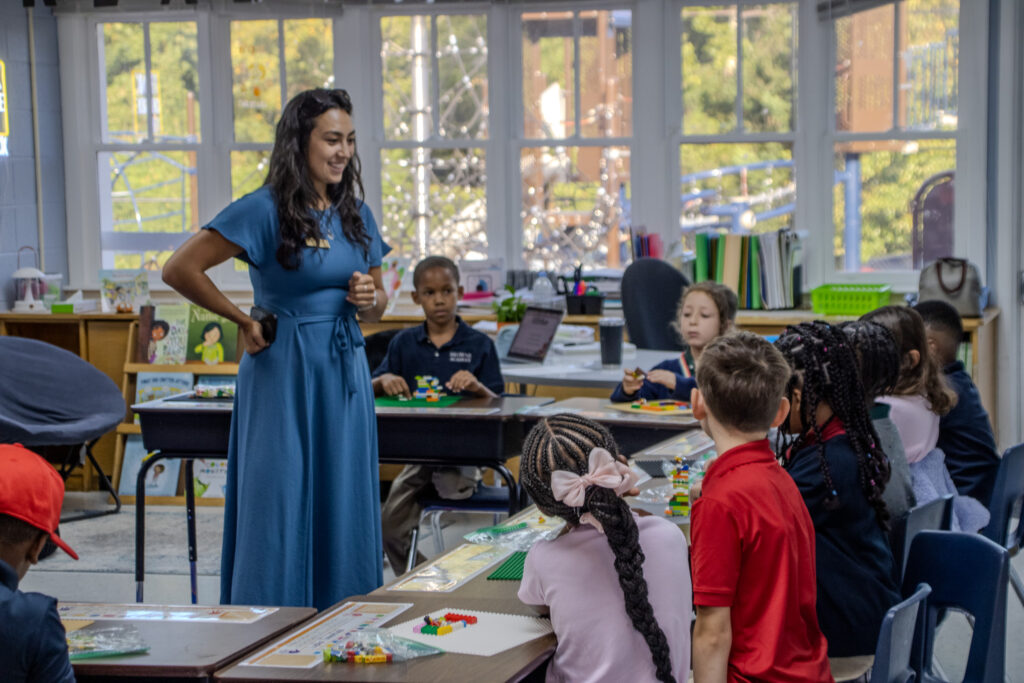
Ms. Quezada returned to Browne Academy with new strategies to actively engage students—both in the classroom and in the field. A key focus of this work is Pike Branch, the creek that flows through Browne’s campus, which provides students with a living laboratory for real-world scientific study.
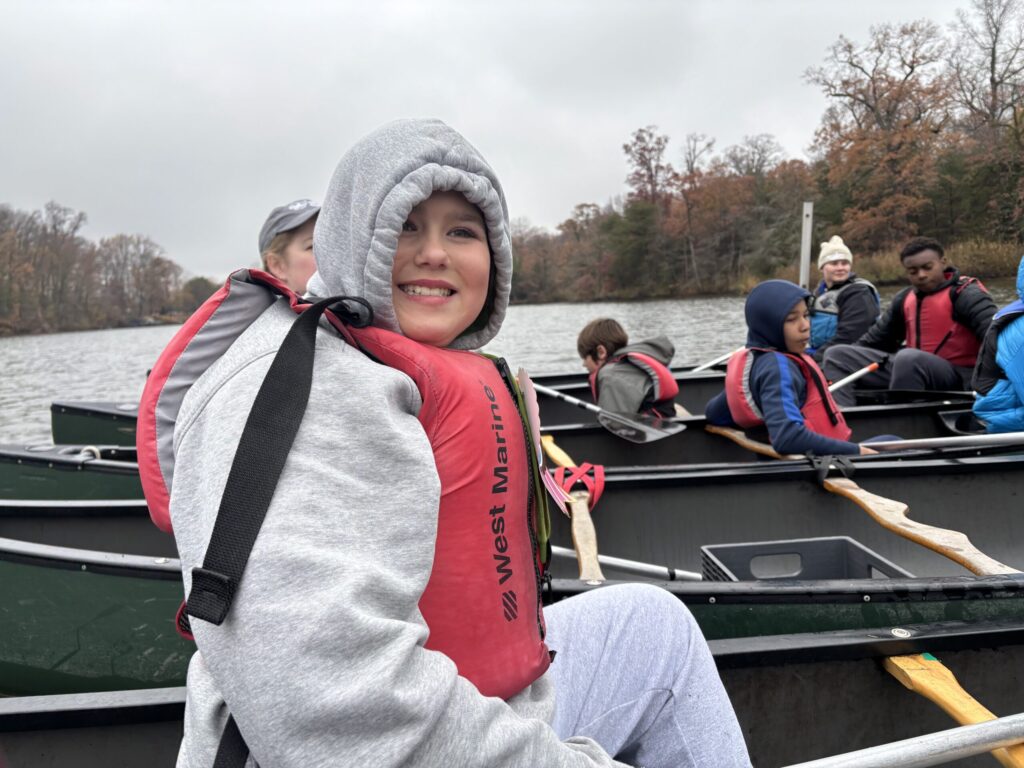
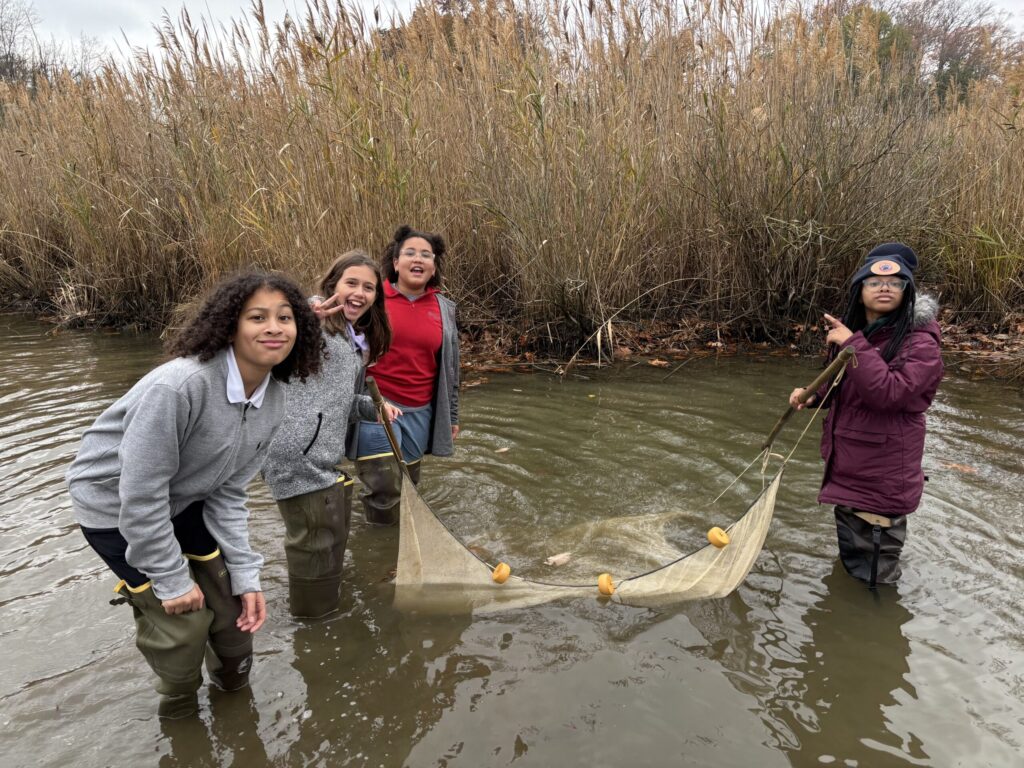
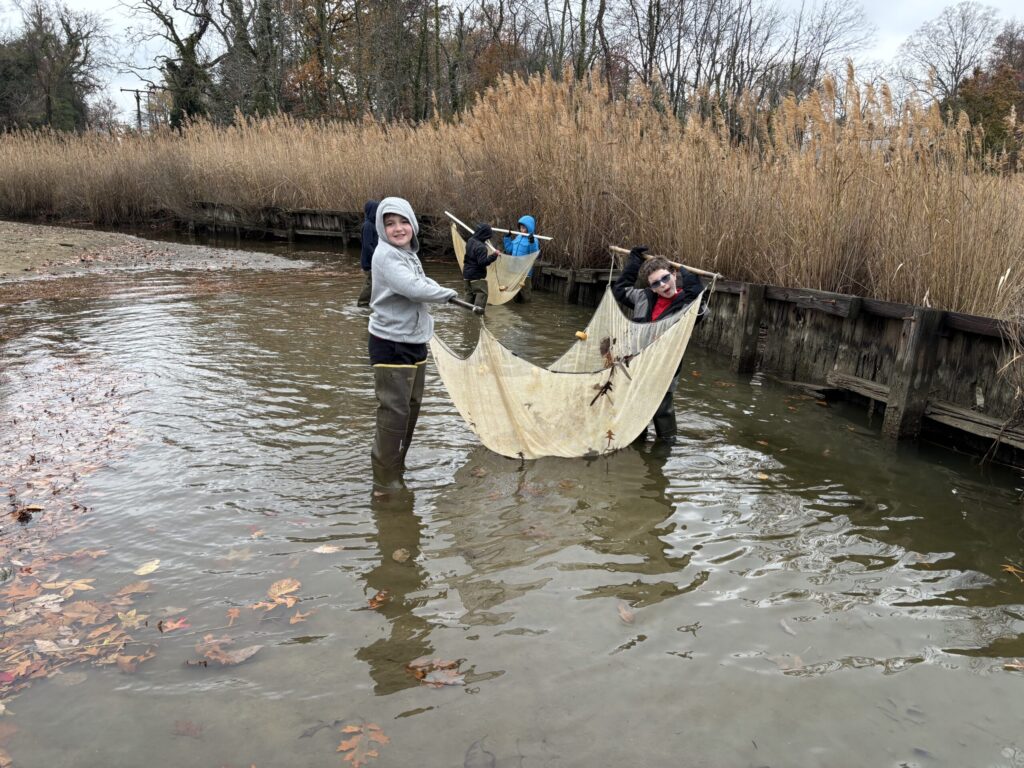
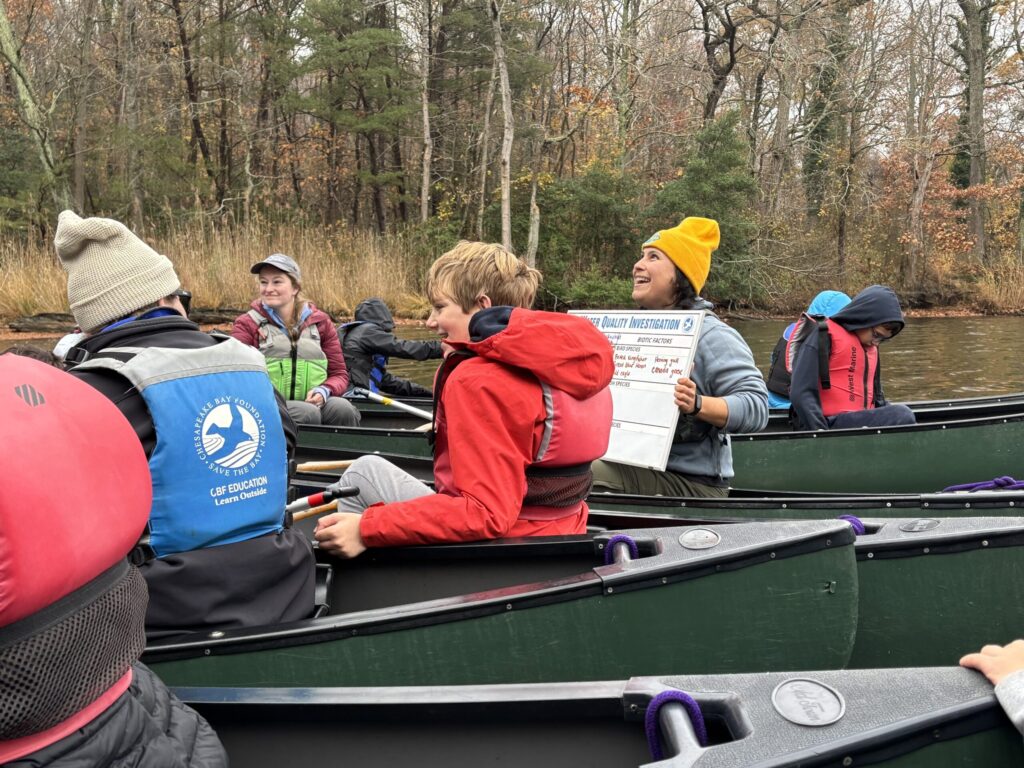
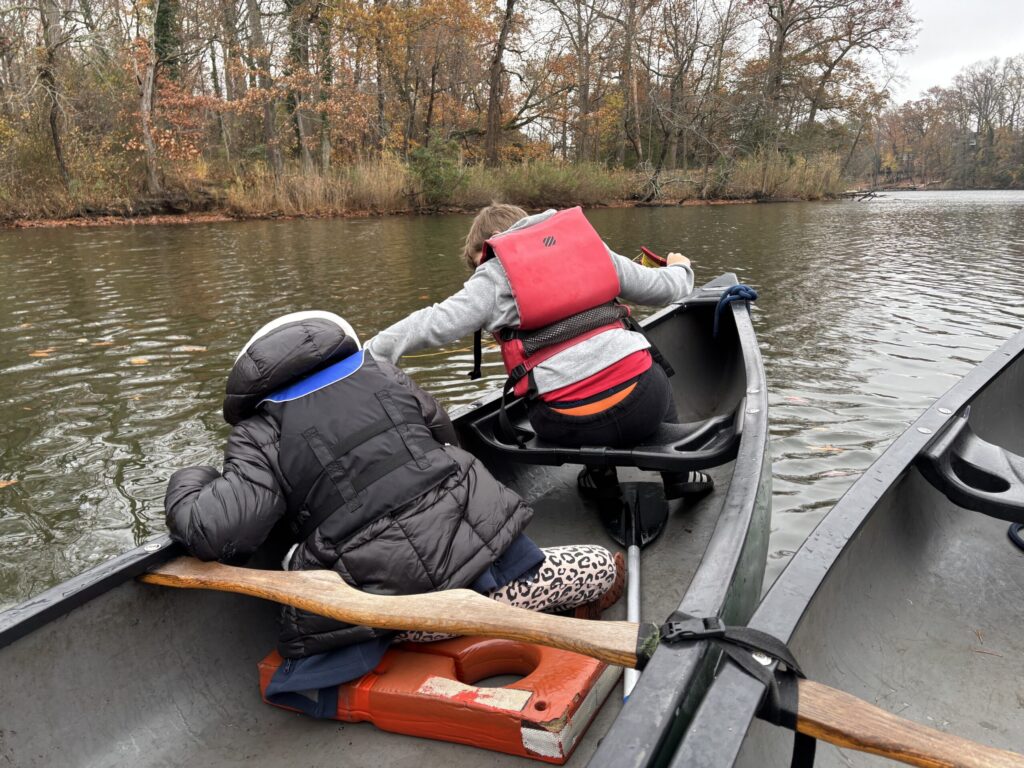
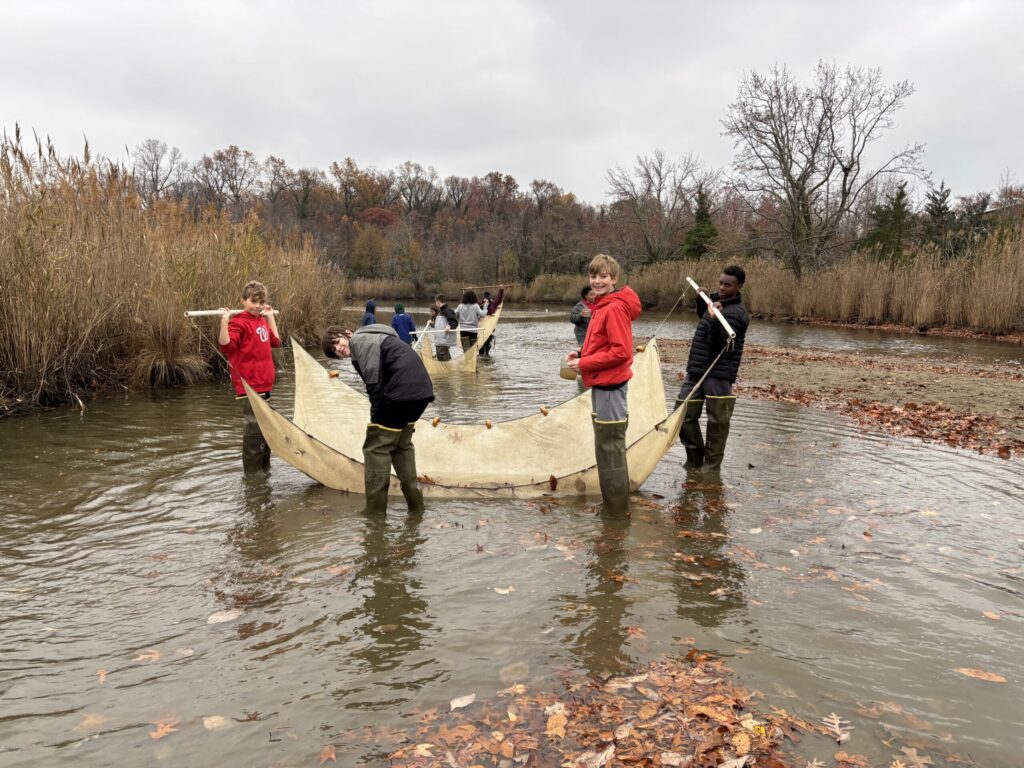
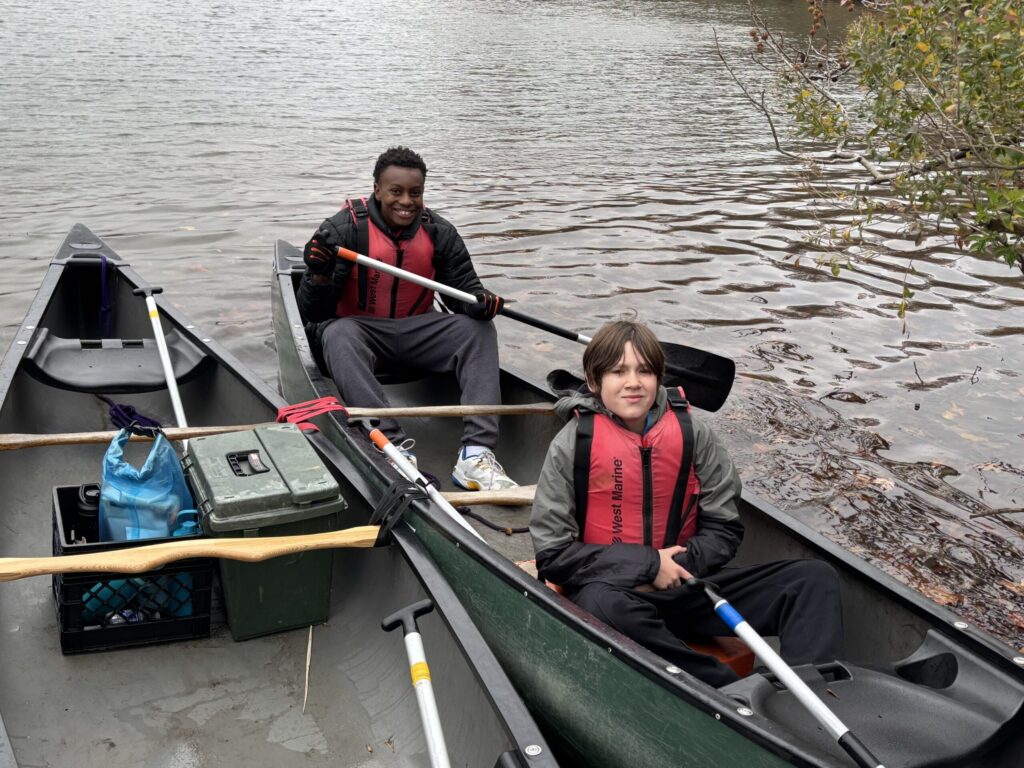
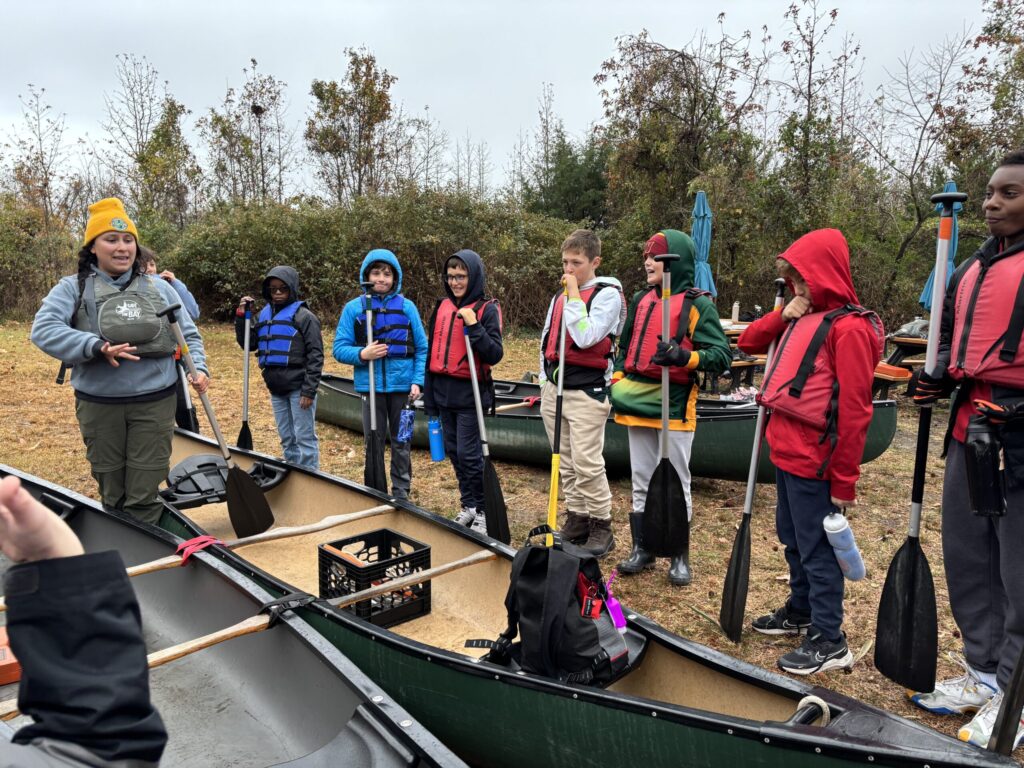
Learning also extends beyond campus. This fall, Ms. Quezada took her students to the Philip Merrill Environmental Center on the Chesapeake Bay. There, students collected and studied aquatic organisms, tested water quality, and explored how human actions affect the Bay’s health. In the spring, students will apply these same investigative skills to Pike Branch, examining how our community connects to the larger Chesapeake Bay watershed. Reflecting on the importance of these experiences, Ms. Quezada shared, “Field studies give students the chance to see science in action. By connecting what they learn in the classroom to real-world observations, students deepen their understanding and begin to see how their own actions affect the health of our local ecosystems.”
Classroom learning has been further enriched through visits from science professionals. Earlier this year, an educator from the Fairfax County Wastewater Treatment Plant visited 6th-grade science classes to lead hands-on laboratory activities. Students explored the wastewater treatment process and learned how everyday choices influence water quality and environmental health.
Through professional development, field studies, and expert-led instruction, Browne Academy’s science program fosters curiosity, environmental stewardship, and a deeper understanding of the natural world—empowering students to see themselves as active participants in protecting the ecosystems around them.