


What Changes When a Child Feels Truly Known at School?
September 17, 2026
A teacher notices when the child who always raises their hand suddenly doesn’t.
They know who needs a little time before joining the group. Who saves their best questions until everyone else has left the room. Who lights up when it’s time for science. Who has been unusually quiet since something changed at the lunch table.
None of these things appear on a report card.
But they are part of knowing a child.
And during the years between preschool and eighth grade—when children are learning not only how to read, reason, create, and solve problems, but also who they are and where they fit—that can matter enormously.
Being known creates room to learn.
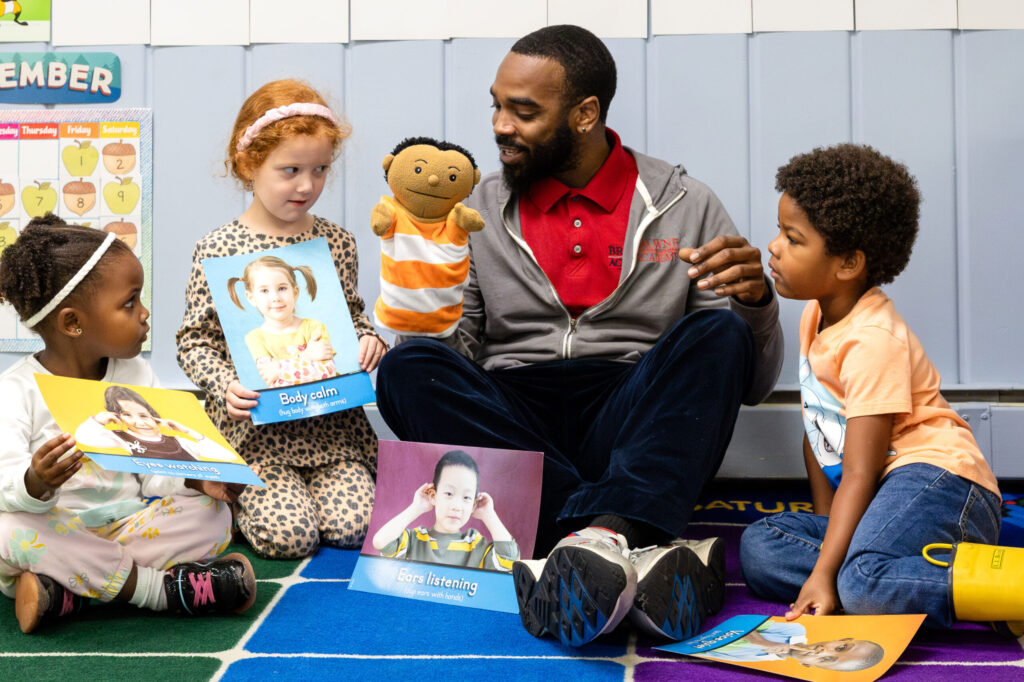
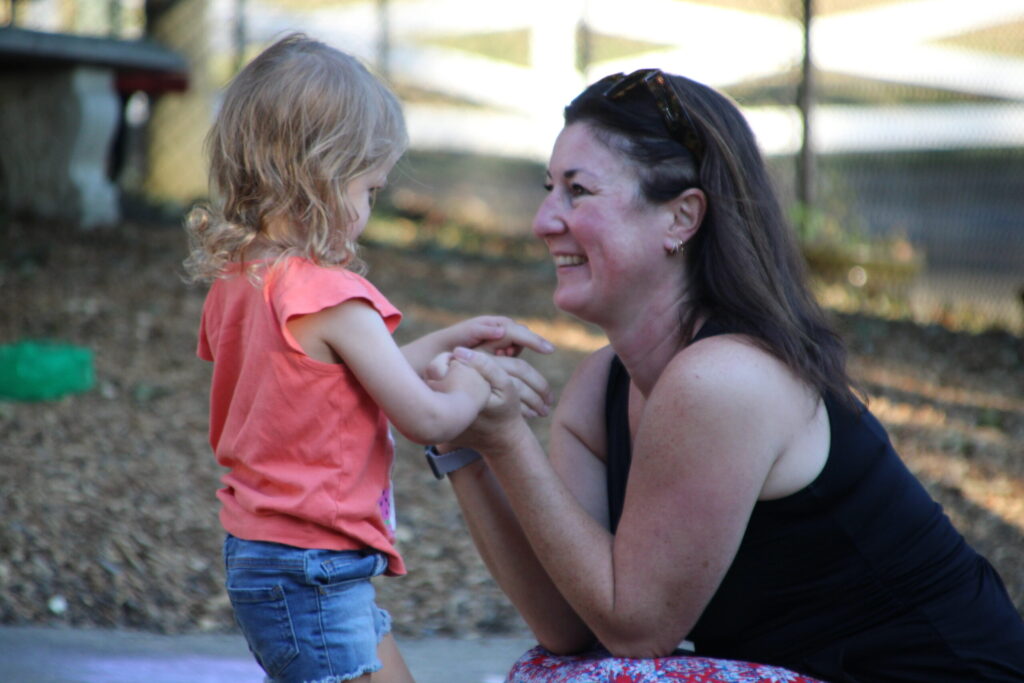
For a preschooler, being known often begins with the smallest things.
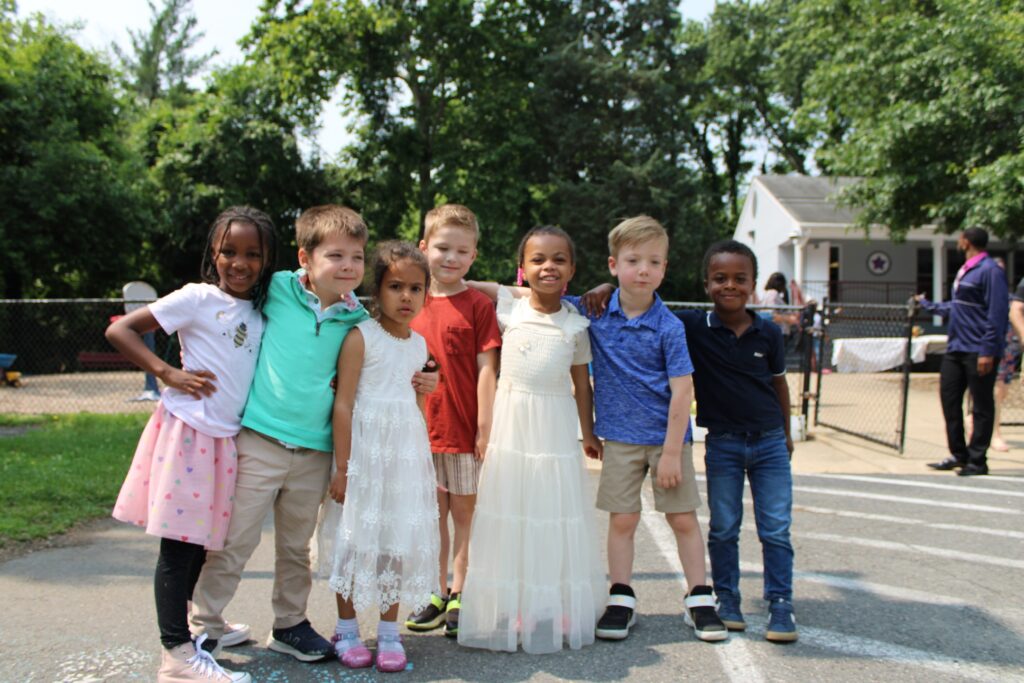
A teacher learns that one child likes to watch before joining. Another is much more willing to try something unfamiliar when a friend is nearby. One talks endlessly during lunch but rarely during morning meetings. Another will attempt almost anything if dinosaurs are involved.
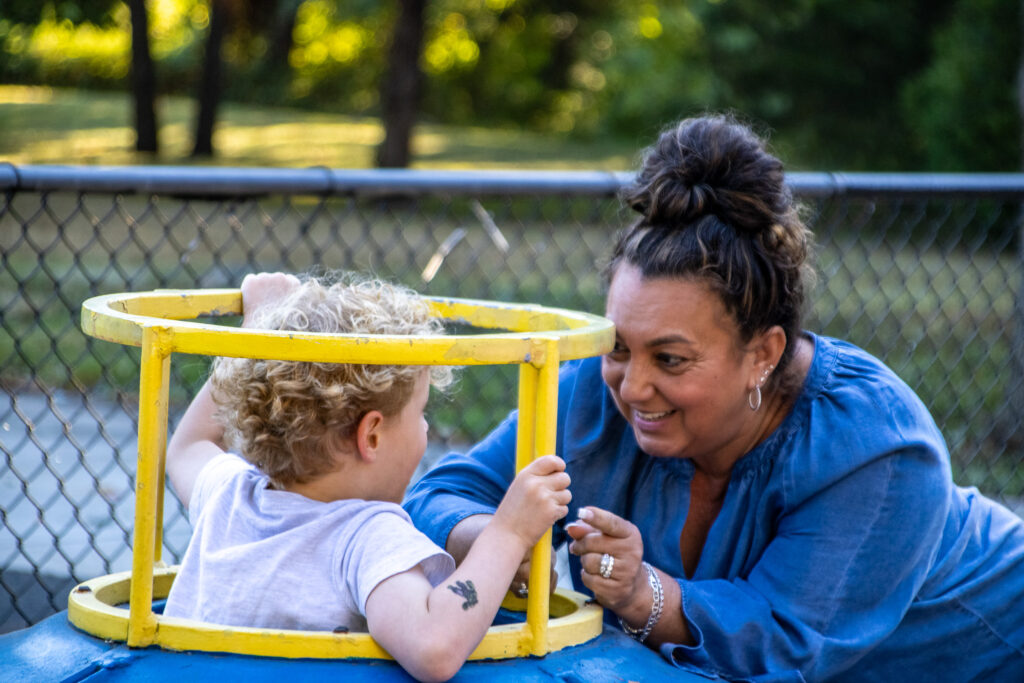
Young children cannot always explain what makes them feel confident, uncertain, curious, or overwhelmed. The adults around them learn by paying attention.
As children grow, those observations become more nuanced.
The student who says, “I don’t know,” may actually mean, “I’m afraid of being wrong.” The child who rarely volunteers an answer may have plenty to say when given another way to contribute. A student who struggles to see themself as a writer may fill pages when they finally have something that sparks their curiosity.
Relationships and learning are deeply connected. The U.S. Centers for Disease Control & Prevention (CDC) defines school connectedness as the feeling that adults and peers at school care about a student as an individual and about their learning. Students who experience that connection are more likely to have stronger academic engagement, attendance, and achievement. Research summarized by the CDC also links students’ perceptions of teacher care and support with greater engagement in reading and math.
Perhaps that shouldn’t surprise us. Asking a question requires vulnerability. So does offering an idea that might be wrong.
Taking risks isn’t easy. But having the courage to do so gets a lot easier when you trust the person listening.
Knowing a child also means knowing when to push.
Being known shouldn’t make school easier. It should make it more personal.
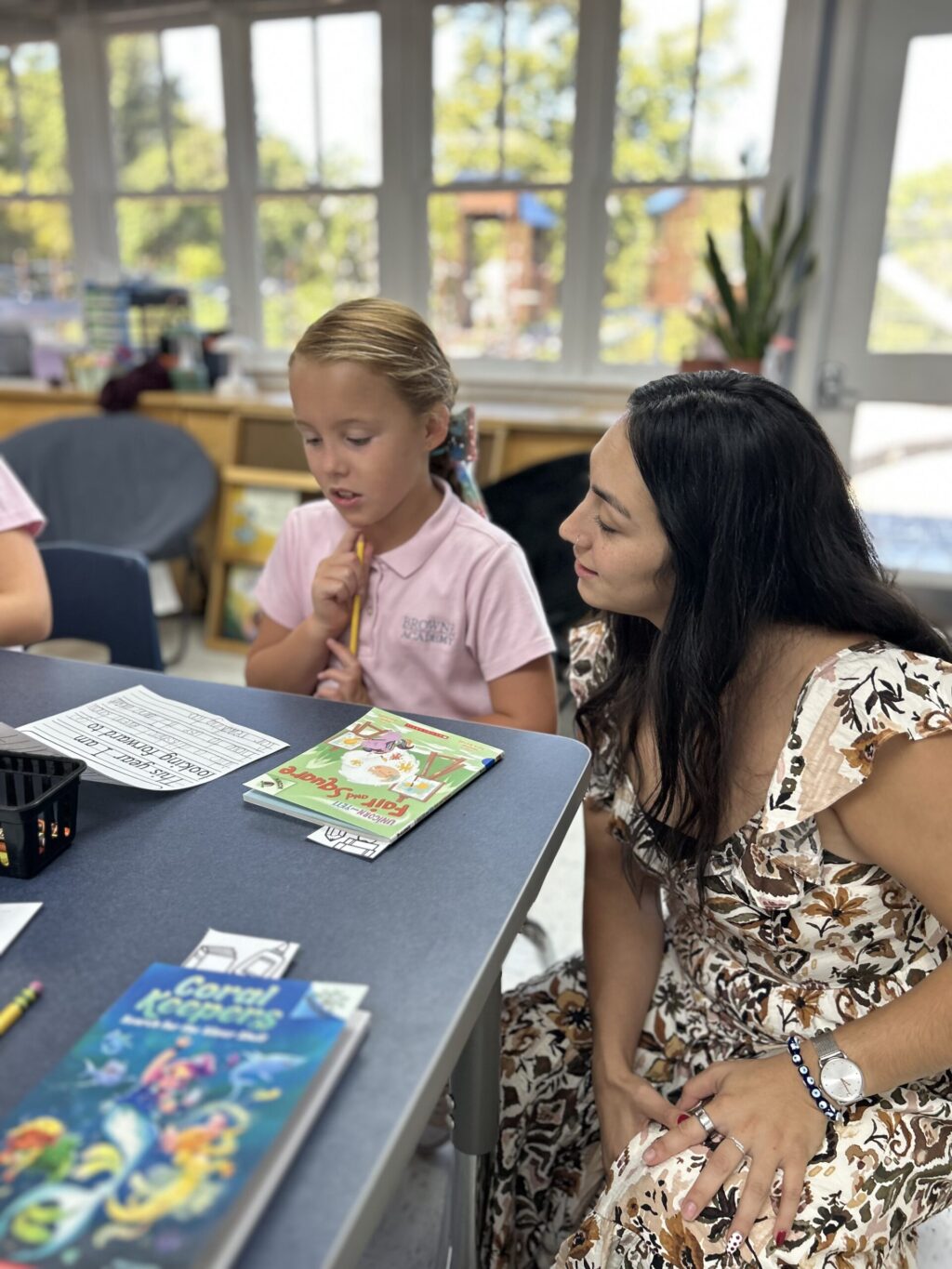
An educator who knows a child well can begin to distinguish between I need help and I don’t think I can do this.
Sometimes the right response is support. Sometimes it is another explanation. And sometimes it is simply: Keep going. You’re closer than you think.
That distinction matters as children begin forming ideas about their own abilities.
By lower school, those ideas can become surprisingly firm: I’m a math person. I’m not artistic. I’m shy. I’m the funny one. I’m not good at sports.
A teacher who sees a child from more than one angle can gently challenge those assumptions. Ultimately, teachers become a guide on a child’s personal journey, noticing an unexpected strength, inviting another attempt, or giving a child enough space to surprise themselves.
Confidence, after all, isn’t believing everything will be easy. It’s beginning to trust yourself when it isn’t.
By middle school, belonging carries new weight.
Middle school adds another question to the mix: Where do I fit?
Friendships shift. Interests become more personal. Students grow increasingly aware of how other people see them, just as they are beginning the complicated work of deciding how they see themselves.
Research from the U.S. Department of Education’s Institute of Education Sciences points to belonging as particularly important during this transition. Its work with U.S. middle schools notes that positive experiences in sixth grade may help protect against declines in belonging later in middle school, and that students who perceive greater mutual respect in their classrooms may experience smaller declines in belonging.
That makes being known especially meaningful at 10, 11, 12, 13, or 14.
A middle school student may never announce that their confidence has changed. But someone who has known them for a while might notice.
A child is bigger than one classroom.
This is where the years between preschool and eighth grade offer an interesting opportunity.
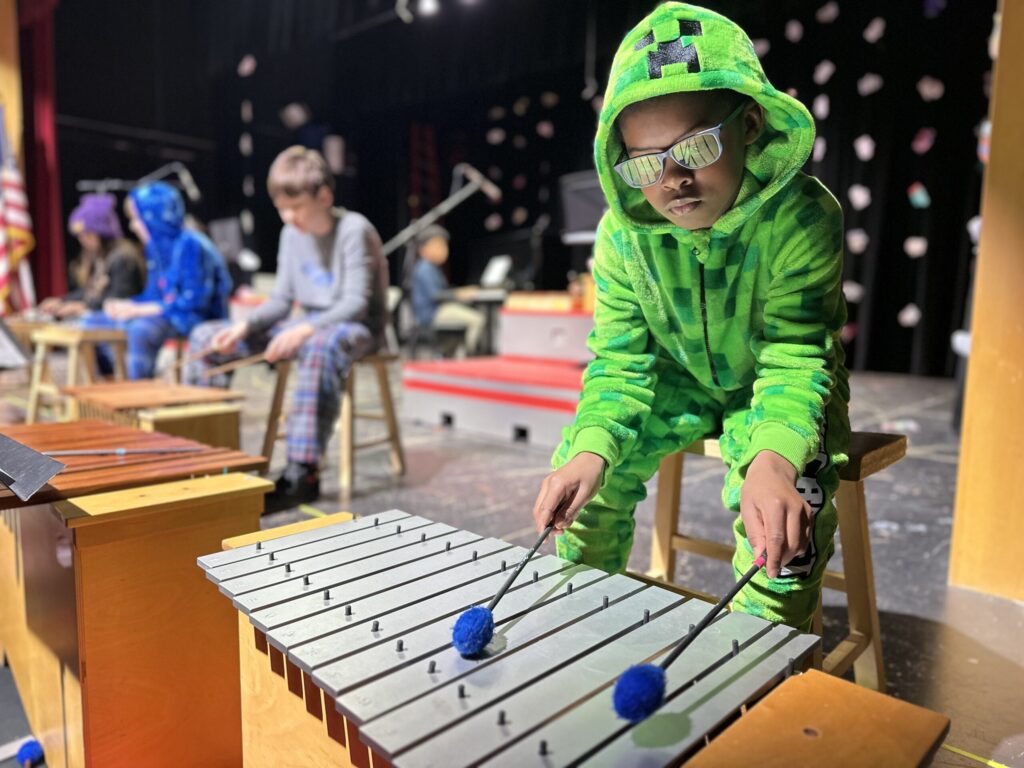
At Browne, children can become known by different adults in different contexts. A classroom teacher may see how a student approaches a difficult problem. A coach sees persistence. An art teacher sees patience. A music teacher hears a voice that may be quieter elsewhere. Teachers in Spanish, Innovation, physical education, and other specialties may know the same child across multiple years.
Over time, those perspectives create a fuller picture.
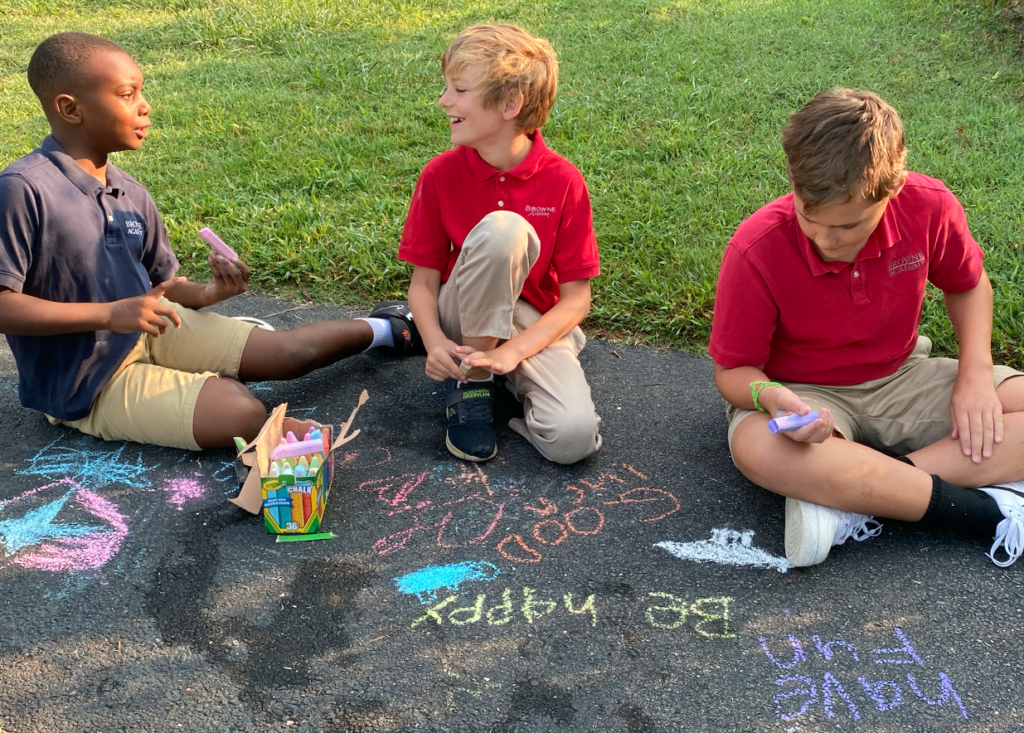
The quiet child can also be hilarious. The confident student can need reassurance. The reluctant reader can be an extraordinary builder. The child who once watched from the edge of the group can eventually become the one inviting someone else in.
There is no single way to look like a “good student.” And there is no single moment when a child becomes who they are.
The work of educating the whole child begins with paying enough attention to see that.
To notice. To listen. To remember. To challenge.
And, over years, to give children the experience of being seen not simply for what they can do today, but for who they are becoming.
Because when children spend their days among people who take the time to know them, they may gain something even more important: a stronger foundation from which to know themselves.